
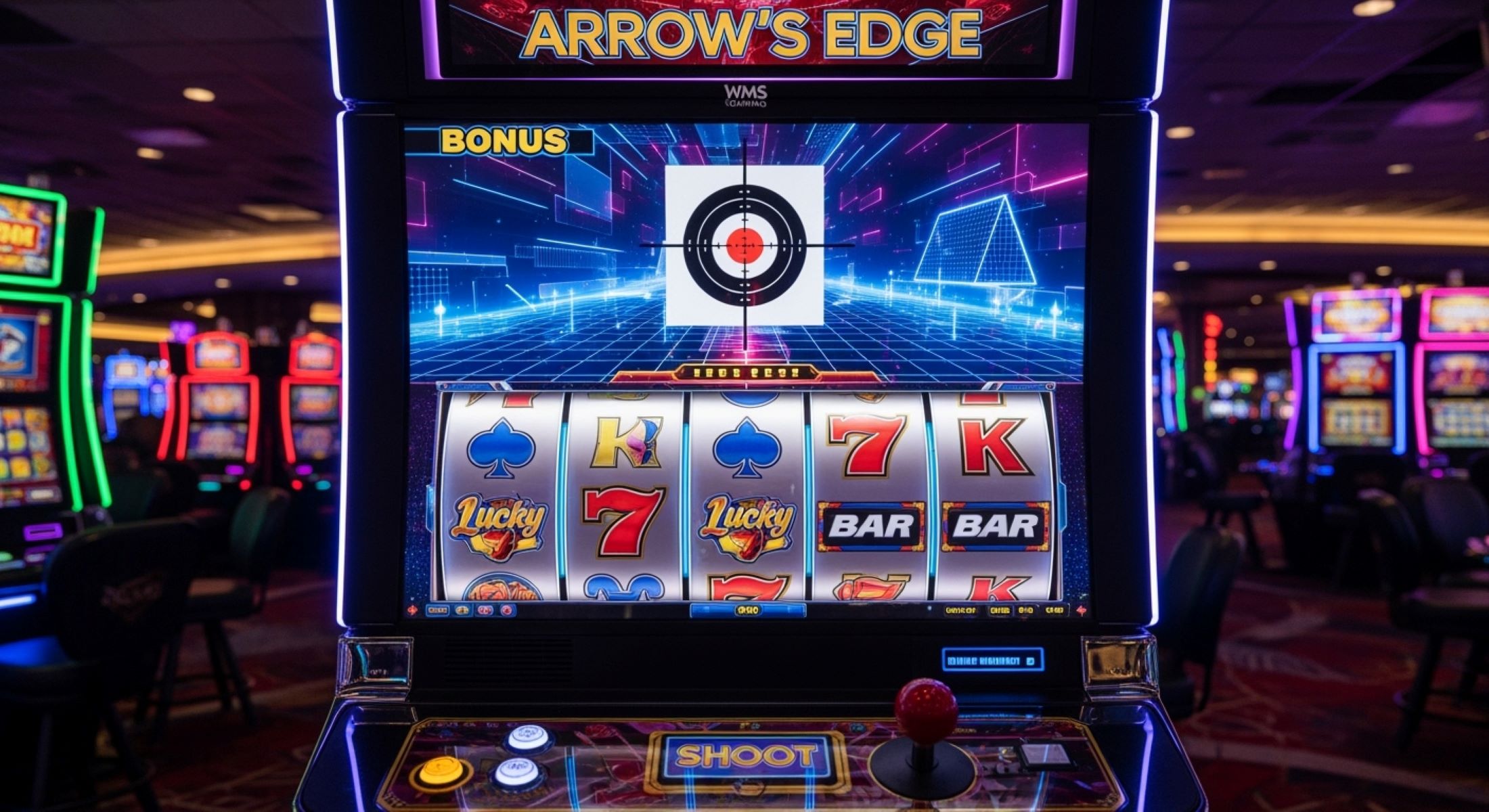
If you’ve been keeping an eye on the global gambling scene, you might have noticed a fascinating shift: slot games are no longer just about luck. Enter skill-based slot games—a hybrid that mixes traditional slot mechanics with elements requiring actual skill. But how does this trend play out in South Africa? Are skill-based slot games even a thing there? Let’s break it down step by step and find out what’s cooking in the South African casino world.
What Are Skill-Based Slot Games?
Before we dive into how skill-based slot games fit into the South African gambling landscape, it’s important to understand exactly what these games are and why they’re different from traditional slot machines. At their core, skill-based slots blend the classic experience of spinning reels with interactive elements that require player input and decision-making. This means the outcome isn’t solely determined by luck or random number generators, but also by how well you play certain parts of the game. It’s a fresh twist on a centuries-old casino favorite, designed to engage players on a deeper level.
Unlike traditional slot games, which rely entirely on chance, skill-based slots introduce a layer of player involvement that can influence your overall results. Think of it this way: traditional slots are like a lottery ticket where you simply hope for the best, with no control over what happens once you press the spin button. Skill-based slots, however, mix luck with elements of skill—your actions and choices in bonus rounds or mini-games can increase your chances of winning more. This combination can transform a passive experience into an active challenge, making the gameplay more exciting and immersive.
One of the key features of skill-based slots is the inclusion of interactive bonus rounds. After the main reels stop spinning, you might find yourself in a situation where you need to quickly react, solve puzzles, or make strategic decisions to boost your prize. These bonus stages often resemble video game challenges, where reflexes, timing, or problem-solving skills are rewarded. This integration of game mechanics offers a unique way to keep players engaged beyond just watching spinning symbols, turning the slot into a hybrid between gambling and gaming.
In essence, skill-based slot games aim to bridge the gap between pure chance and player agency. They attract a new generation of players who are used to video games and want more control over their casino experience. By combining the thrill of traditional slots with skillful gameplay elements, these games provide a fresh and dynamic form of entertainment that challenges the notion of gambling as a game of luck alone. This innovation is changing the way players think about slots and how casinos design their gaming floors.
Why Are Skill-Based Slots Gaining Popularity?
| Stakeholder | Reason for Popularity | Benefits | Challenges | Impact on Industry |
| Players | Skill-based slots offer more excitement and control compared to traditional slots. Players enjoy feeling that their actions influence the outcome rather than leaving everything to chance. | Increased engagement and enjoyment. Players feel empowered, which can make gaming sessions more satisfying. | Some players may find skill elements intimidating or complex initially. Requires learning curve. | Encourages longer playtime and loyalty among younger and experienced gamers. |
| Casinos | These games attract a new audience, particularly younger, tech-savvy players who grew up with video games and demand more interactive experiences. | Opens up a new market segment. Boosts foot traffic and online engagement. Differentiates casinos from competitors. | Investment in technology and game development is higher. Regulatory approval can be a hurdle. | Drives innovation and modernization in casino offerings, keeping the industry competitive. |
| Game Developers | Provides an opportunity to blend gambling with gaming, creating innovative and hybrid products that appeal to diverse audiences. | Ability to create unique games that stand out in a crowded market. Potentially higher revenue from engaged users. | Balancing fairness with skill is tricky. Ensuring games meet legal requirements across jurisdictions can be complicated. | Spurs creativity and new partnerships between gambling and gaming sectors. |
| Regulators | Skill-based slots blur the line between gambling and video gaming, offering a way to reconsider how games are categorized and regulated. | Potential for more precise regulatory frameworks that protect players while allowing innovation. | Complexity in defining skill vs. chance in law. Need to update outdated gambling regulations. | Could lead to new classes of games and licenses, reshaping gambling laws and policies. |
| Players’ Communities | Competitive and social elements within skill-based slots foster a sense of community and rivalry, similar to video game leaderboards and tournaments. | Enhances social interaction and player retention. Creates opportunities for esports-style competitions. | May require platforms to manage online interactions and fair play monitoring. | Promotes social gambling trends and integration of gaming culture into casinos. |
The South African Gambling Landscape
- South Africa’s gambling industry is strictly regulated under the National Gambling Act, which provides the legal framework governing all gambling activities in the country.
- The Act ensures a controlled environment designed to protect players, uphold fair play, and promote responsible gambling practices.
- The industry includes multiple segments: land-based casinos, online betting, lotteries, and sports betting, each with its own regulatory oversight.
- Land-based casinos are widespread across South Africa, offering classic casino games such as slots, blackjack, roulette, and poker.
- These casinos operate under licenses granted by provincial gambling boards, which enforce strict compliance with legal and ethical standards.
- Casinos contribute significantly to the South African economy through job creation, tax revenue, and tourism development.
- The online gambling sector is growing rapidly but remains legally ambiguous, as the current laws do not explicitly regulate online casino games.
- Online sports betting is the most developed online gambling form, with licensed operators offering betting on popular sports like soccer and rugby.
- The National Lottery holds a dominant position and is regulated separately from other gambling activities, drawing participation across a wide population base.
- Sports betting enjoys widespread popularity, with many operators licensed and heavily monitored to ensure fair play and consumer protection.
- The legal framework focuses predominantly on chance-based games, which makes the introduction of skill-based gambling products more challenging.
- Regulatory authorities exhibit varying degrees of openness toward innovation across different provinces, resulting in an uneven adoption landscape for new gaming formats.
- The lack of clear regulations specific to skill-based slot games creates uncertainty for operators interested in introducing such products in South Africa.
- Player demand for skill-based slots remains low due to limited awareness and familiarity with these types of games among the South African gambling community.
- Casinos and operators may hesitate to invest in skill-based slots without clear regulatory guidance and proven market interest.
- Economic pressures, including market competition and fluctuating consumer spending, influence how the gambling industry approaches innovation.
- Skill-based slot games have potential to attract younger, tech-savvy players, helping casinos diversify their offerings and appeal to a broader demographic.
Current Slot Game Scene in South Africa
In South Africa, traditional slot machines dominate the casino floors across the country. These classic slots are what most players expect when they walk into a land-based casino — simple games of chance where the outcome is determined entirely by random number generators. These games have been the backbone of casino entertainment for decades and continue to hold strong appeal due to their straightforward gameplay and potential for big wins. Because of their popularity and long history, these traditional slots are heavily regulated by provincial gambling authorities to ensure fairness and transparency, making them widely accepted by both players and regulators alike.
Despite the dominance of traditional slots, the landscape is gradually evolving as online gambling gains traction in South Africa. The online casino market is expanding, offering South African players access to a broad variety of slot games developed by global software providers. However, these online slots largely follow the same chance-based model as their land-based counterparts, relying on random number generators to determine outcomes. Although players can enjoy more diverse themes, features, and higher payout percentages online, the core gameplay remains rooted in luck rather than skill.
The rise of online casinos has introduced South African players to an array of new slot formats, including progressive jackpots and multi-payline slots, enhancing the overall gaming experience. Still, the industry has yet to see a significant presence of innovative game types, such as skill-based slot games, which are gaining popularity in other parts of the world. This slow adoption can be attributed to regulatory uncertainty, market conservatism, and player familiarity with traditional slot mechanics. As a result, most players in South Africa continue to favor the classic slots they know and trust.
Overall, while traditional slots maintain their stronghold on the South African gambling market, the growing online segment is gradually broadening the variety of slot offerings available. This mix provides players with both the comfort of familiar gameplay and opportunities to explore new themes and bonus features online. However, the introduction of skill-based slots or other innovative game types remains limited for now, leaving room for future growth and evolution within the South African slot game scene.
Are Skill-Based Slots Available in South Africa?
| Factor | Explanation | Current Situation | Challenges | Future Outlook |
| Regulatory Restrictions | South African gambling laws predominantly focus on chance-based games, with strict frameworks tailored to traditional slot machines and table games. Skill-based games, which mix chance and player skill, don’t fit clearly into these existing categories. | Regulators have not yet provided specific guidelines or licensing for skill-based slots, leaving these games in a legal grey area. | Lack of clear definitions and regulatory approval slows the introduction of skill-based slot games in the market. | Potential regulatory updates could clarify rules and open doors for skill-based games if authorities recognize their unique nature. |
| Market Demand | The general player base in South Africa tends to prefer familiar traditional slots and table games that rely mainly on luck. Awareness and understanding of skill-based slot games remain limited. | Demand for skill-based slots is currently low, as most players stick to games they know and trust. | Educating players and creating interest in skill-based slots will be necessary to grow demand. | Growing interest in gaming and interactive entertainment among younger players could increase future demand. |
| Industry Hesitance | Casinos and game developers approach skill-based slots cautiously due to regulatory uncertainty and potential business risks. They are reluctant to invest in new products without clear legal backing. | Few operators are willing to pioneer skill-based slots without assurance of compliance and profitability. | The cost of development combined with unclear licensing rules creates a barrier to market entry. | As regulations evolve and demand rises, industry players may become more willing to experiment with skill-based formats. |
| Technological Readiness | Skill-based slots require advanced game design and technology integration, combining RNG with interactive gameplay elements such as reflex challenges or puzzles. | Some global developers have the capability, but South African casinos have limited access to these technologies or hesitate to implement them. | Technological complexity increases development costs and operational challenges. | Increased adoption of cutting-edge gaming tech could facilitate future skill-based slot launches in South Africa. |
| Player Experience & Education | Skill-based slots are new to many players, requiring education on how the games work and what skills affect outcomes. Players must feel confident engaging with these hybrid games. | Without sufficient player knowledge, uptake remains slow, as unfamiliarity breeds caution. | Creating clear tutorials and marketing to explain skill-based gameplay is crucial to player acceptance. | Growing familiarity through online exposure and demo versions could encourage player adoption over time. |
Examples of Skill-Based Slot Games Globally
- Arrow’s Edge is a skill-based slot developed by WMS Gaming that incorporates shooting targets in its bonus rounds. After spinning the reels, players enter an interactive stage where they must aim and shoot targets quickly and accurately. This gameplay element rewards reflexes and precision, making the experience more engaging and active compared to traditional slots. Arrow’s Edge has gained moderate popularity among players seeking a blend of action and chance.
- Flamin’ Hot, created by Everi, combines slot mechanics with puzzle-solving challenges during its bonus games. Players face mental tasks requiring strategy and quick thinking, which add an intellectual layer to the usual spinning reels. This approach attracts players who enjoy games that stimulate problem-solving skills while still offering the thrill of gambling. Flamin’ Hot’s popularity is growing as more gamers appreciate this fusion of skill and luck.
- Spin Racer from Konami is known for integrating timing-based challenges within its gameplay. Once the reels stop, players must complete fast-paced, timing-sensitive tasks to increase their winnings. These challenges test the player’s reaction speed and coordination, making the game feel more like a video game than a typical slot. Although Spin Racer has a niche audience, it appeals strongly to players who enjoy fast reflex games and a higher level of interactivity.
- Lock It Link Cash Collect by Bally Technologies introduces a skill element where players can trigger bonus rounds that involve strategic decision-making and interactive gameplay to maximize rewards. This adds depth to the usual slot experience, requiring players to be alert and make choices that influence their potential payouts. The game blends traditional slot visuals with engaging skill-based bonus features.
- Tesla Jolt, also by Bally Technologies, offers bonus rounds that challenge players with reflex and memory tasks. These elements transform the typical slot experience into something more dynamic, where skillful play can lead to bigger wins. Tesla Jolt’s innovative approach has attracted players looking for a more immersive gaming experience beyond simple luck.
- Monopoly Touch by SG Gaming adds skill components by integrating mini-games during bonus rounds, requiring players to make choices and solve challenges to unlock additional prizes. The familiar Monopoly theme combined with interactive gameplay helps engage players who enjoy classic board games and want more control over their casino experience.